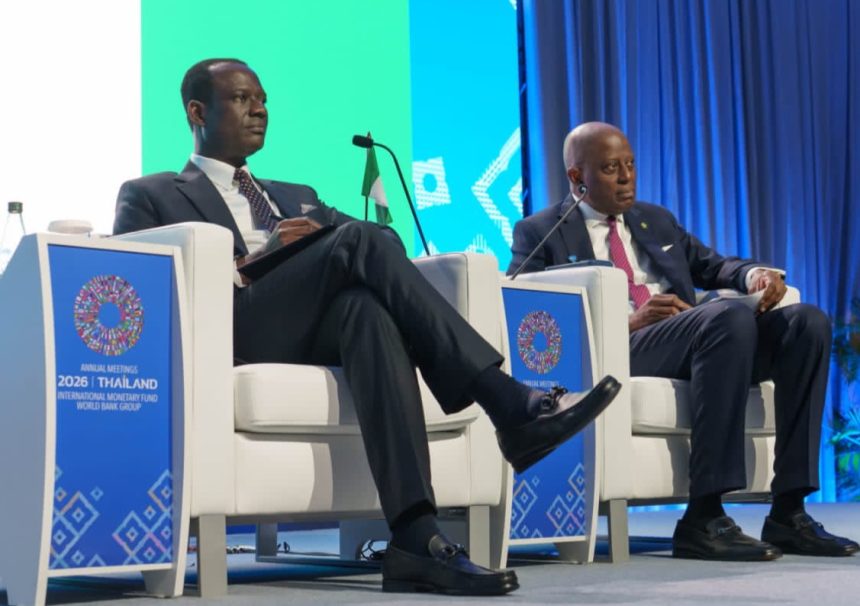
Nigeria has returned from the 2026 Annual Meetings of the International Monetary Fund and World Bank in Bangkok with a strengthened economic outlook after presenting a $78.5 billion investment pipeline consisting of 65 bankable projects. The package covers infrastructure, energy, agriculture, manufacturing and digital services, and is designed to attract both domestic and foreign private capital.
Officials said the projects align with ongoing reforms in the foreign-exchange market and fiscal policy. Priority has been given to initiatives that can generate employment, expand power supply, improve transport networks and enhance food security. The federal government again ruled out any return to petrol subsidy or multiple exchange rates, emphasising that the current liberalised framework remains central to rebuilding investor confidence.
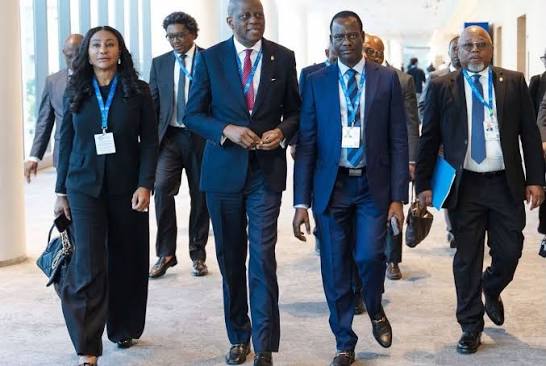
On the sidelines of the meetings, Nigeria’s economic team held bilateral discussions with development partners and private investors. Finance officials described the pipeline as ambitious yet realistic, provided policy consistency is maintained. “These are carefully prepared projects ready for investment. Execution and transparency will determine success,” one senior member of the team stated.
Analysts welcomed the scale of the proposal but cautioned that delivery will depend on improved ease of doing business, timely project preparation and continued macroeconomic stability. Further details on individual projects, financing structures and implementation timelines are expected to be released in the coming weeks as the government engages potential investors more intensively.